Xero Shoes Make The Case For Zero-Drop Shoes, On Most Days
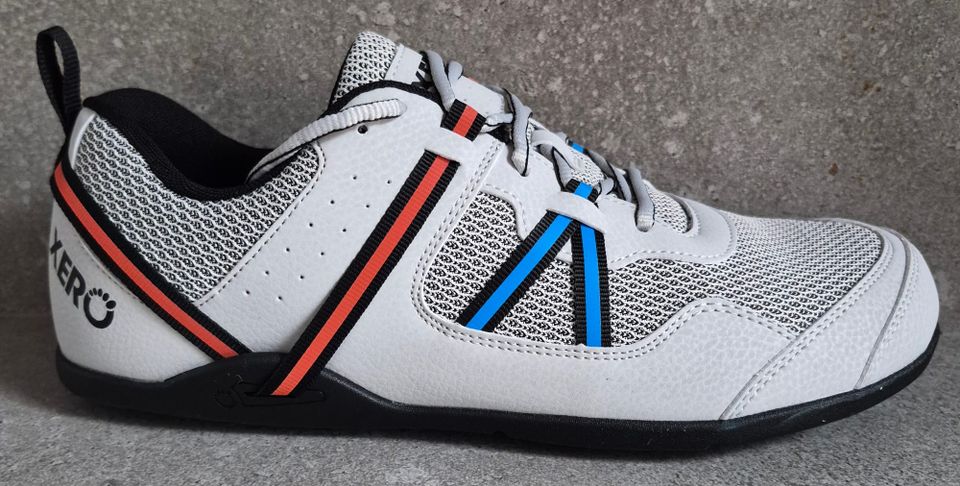
I love Xero shoes. The brand makes very well designed athletic footwear that last longer than sneakers by the major brands (Nike, New Balance, Hoka, Brooks). The catch is that these are zero-drop shoes. That is, there is no height difference between where the heel and the toes rest. Zero-drop shoes are supposed to be run or walk neutral, and be mostly flat inside. Most of Xero's models have no midsole or extra cushioning. You just get a thin foam insole (sometimes called a sock liner).
Xeros are not for everyone. And if there is one criticism I can write, it's that they have too many products (SKUs). At the time of this post, Xero has 80 or 81 models, most of them available in different colors, and most of them are available in half sizes. That's the manufacturing and inventory of a big company. Remember Allbirds? They essentially had their original 'smart casual' office sneaker. It was a massive hit, started a new sneaker sub-category, and it only came in whole sizes. It was only a matter of time before big companies like Sketchers and small companies like Xero made Allbirds competitors (more on the Xero Nexus Knit, below).
Xero has redundant models, like variations of their best-selling Prio, or redundant hiking / trail running shoes like the Mesa Trail and Scrambler. Who buys the Prio Neo or Prio Coast over the beautiful, original Prio? Who is the Prio Suade for? Who buys the Scrambler over the Mesa Trail? Oh, there's also a Mesa Trail II. Who buys that? I did. And I also bought the Prio Suede, which I think was an attempt to use a little nostalgia to hook older customers.
But what it could mean is that demand for Xero shoes is very high. Demand has been high for years. They often sell out of colors and sizes. Part of this is the fact that the husband and wife founders brought their first product, the Genesis sandal, to Shark Tank and didn't get a deal. And now Xero is featured in REI shoe departments. This, on top of the baseline word of mouth and glowing reviews, is the reason Xero (along with On) is one of the fastest growing athletic shoe brands in the US.
This blog post is going to be long, and it only covers the six models I have bought!
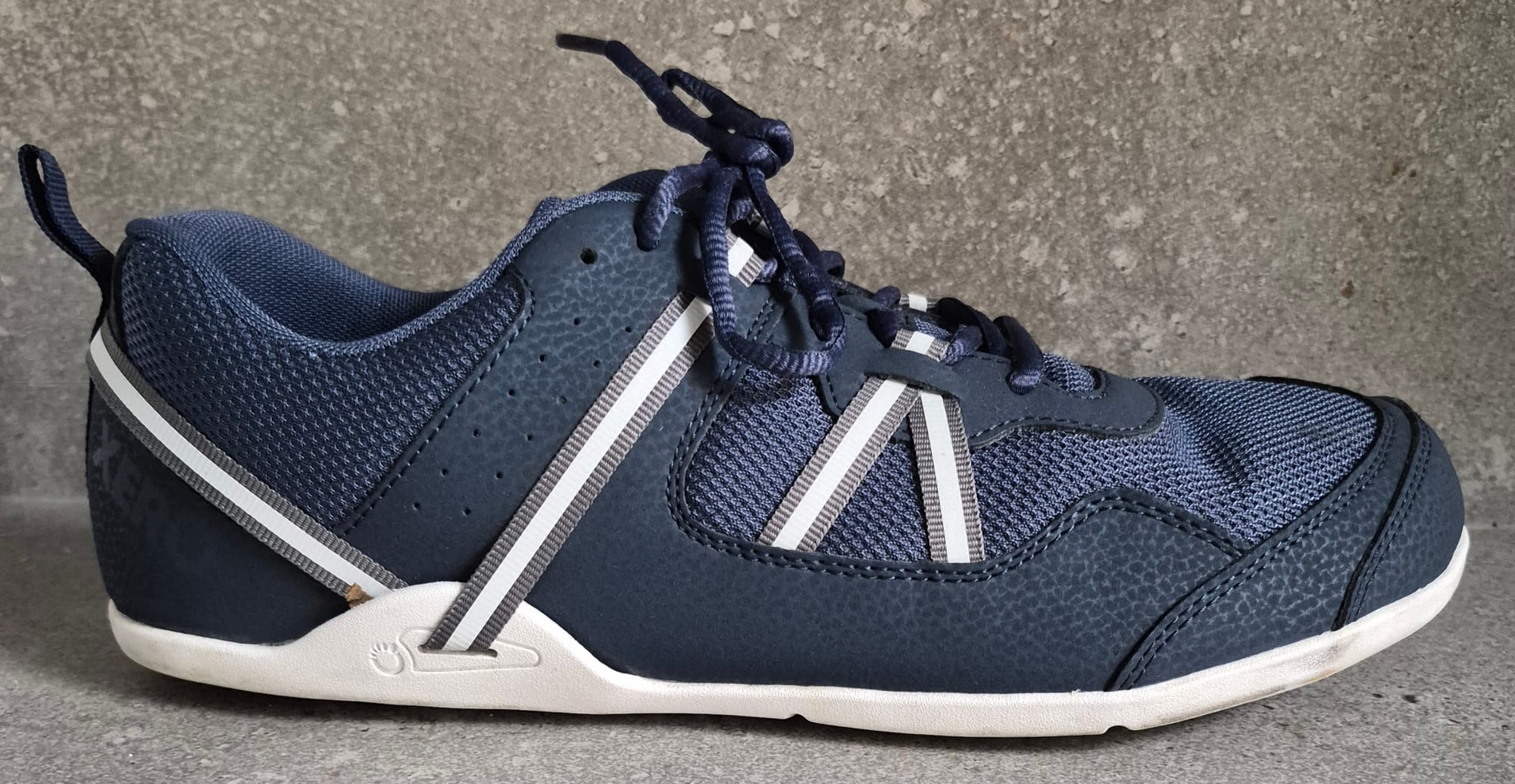
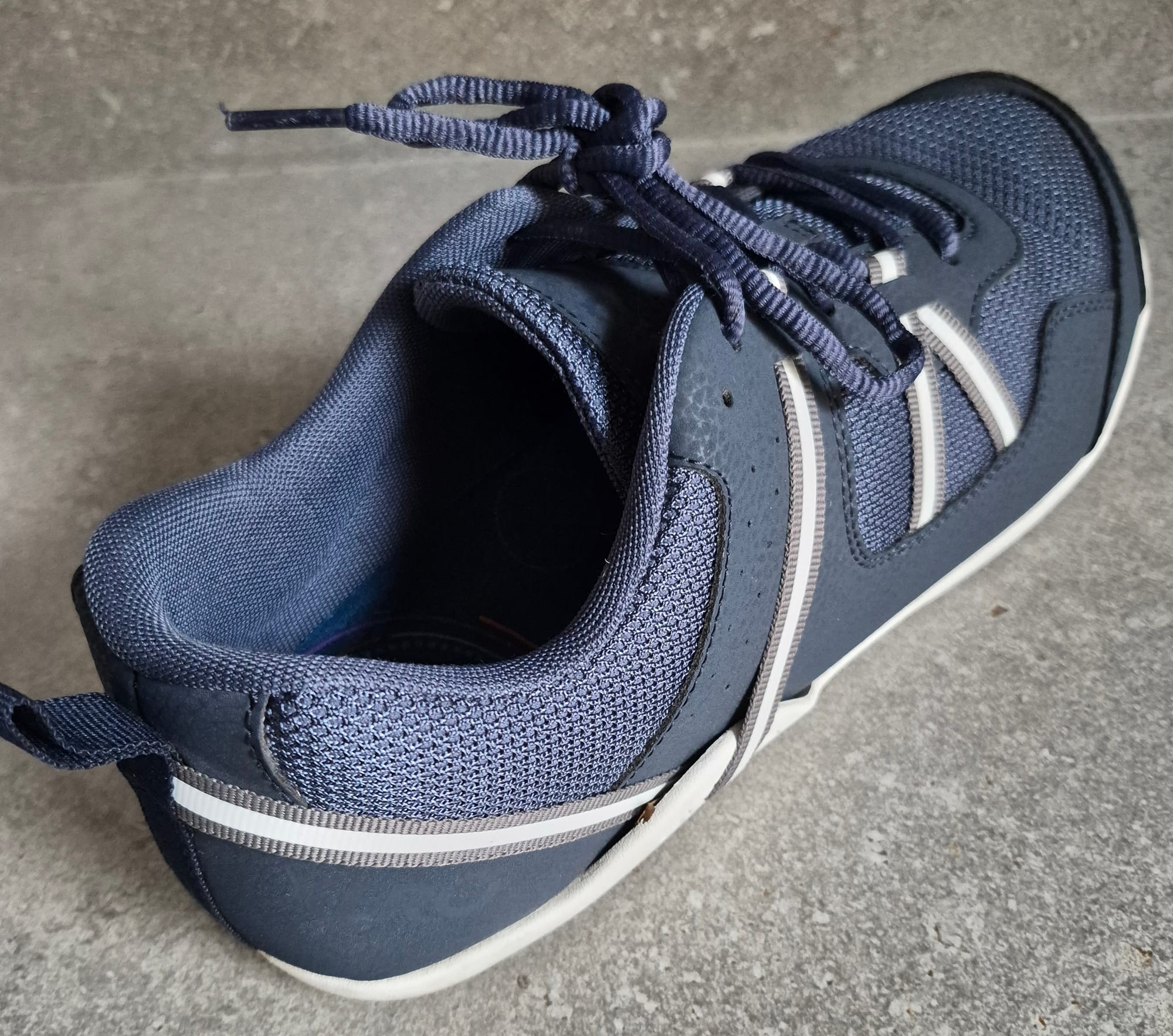
Let's start with the Prio. The Prio is the best-selling model for a few reasons. The exterior shell is a vegan blend of polyester and polymers that looks and feels familiar to anyone who is into casual athletic footwear. The sole is hard, flexible rubber that can last years (it often outlasts the upper or inner lining). I am still trying to wear out a pair that I bought in 2023. The sole is firm enough to protect your feet, but you still feel every bump. pebble, and crack in the road. But owners have one crucial point of control - the insole. They can use the decent, thin foam insole from Xero, for modest protection. They can remove the insole for maximum firmness (I'd compare it to walking on a hardwood floor barefoot). Or they can put in a gel or running insole for maximum comfort. I should also point out that Xero's stock shoelaces are really good. This company cares about how their shoes look and feel.
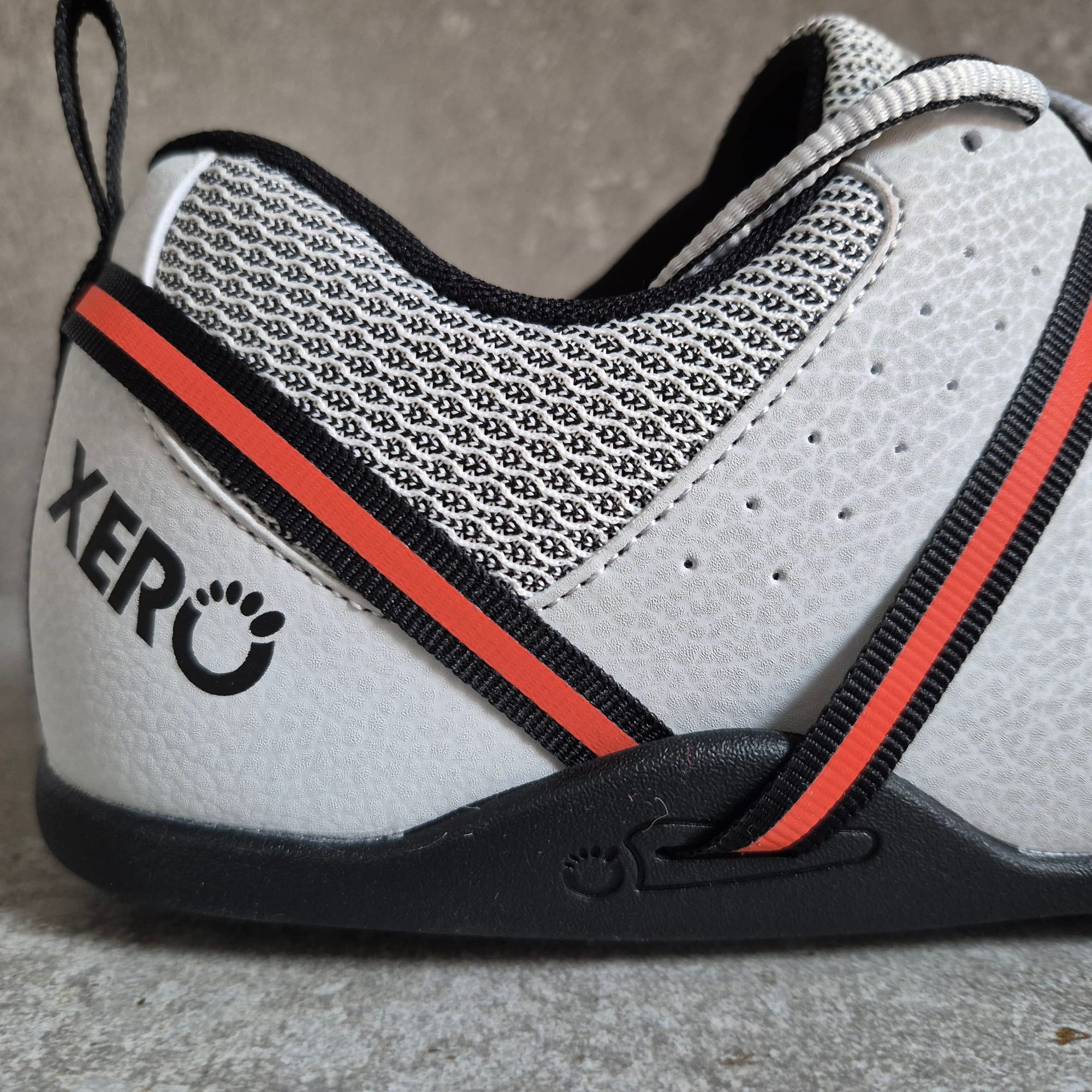
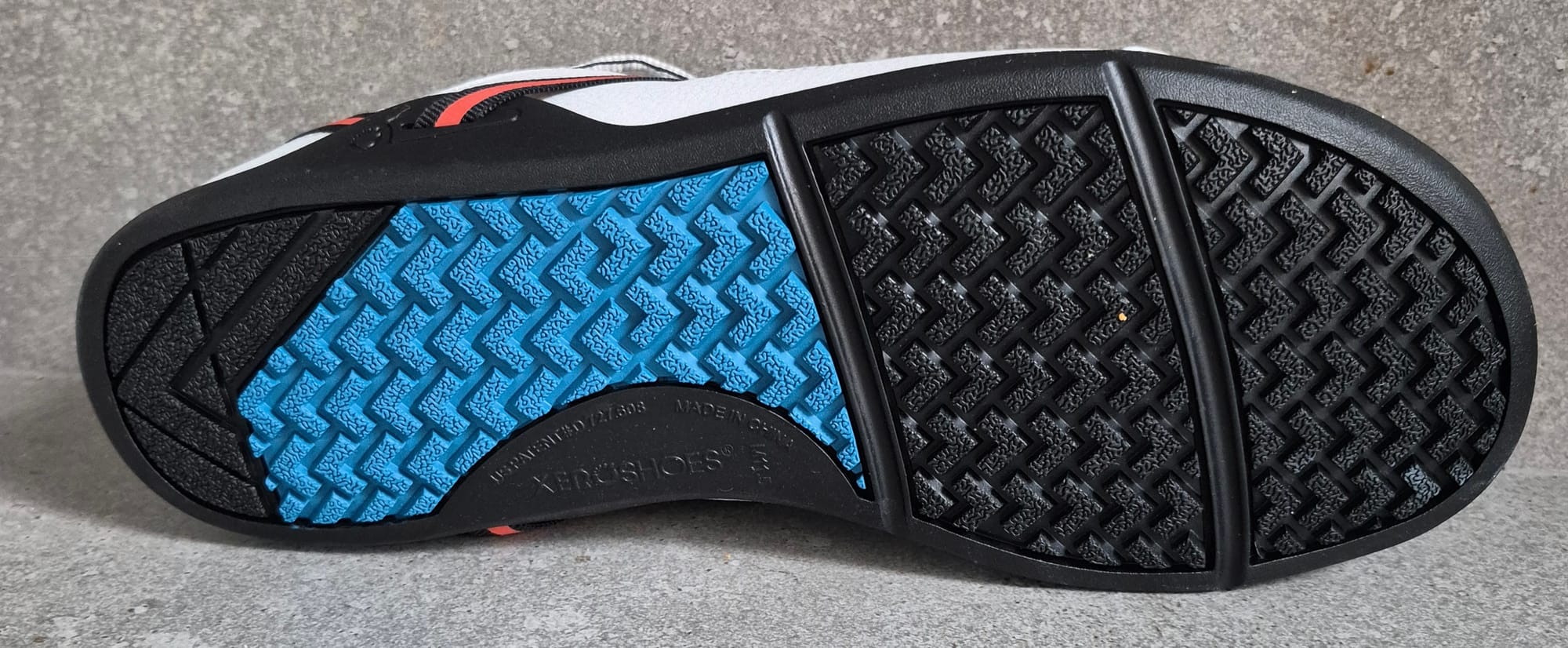
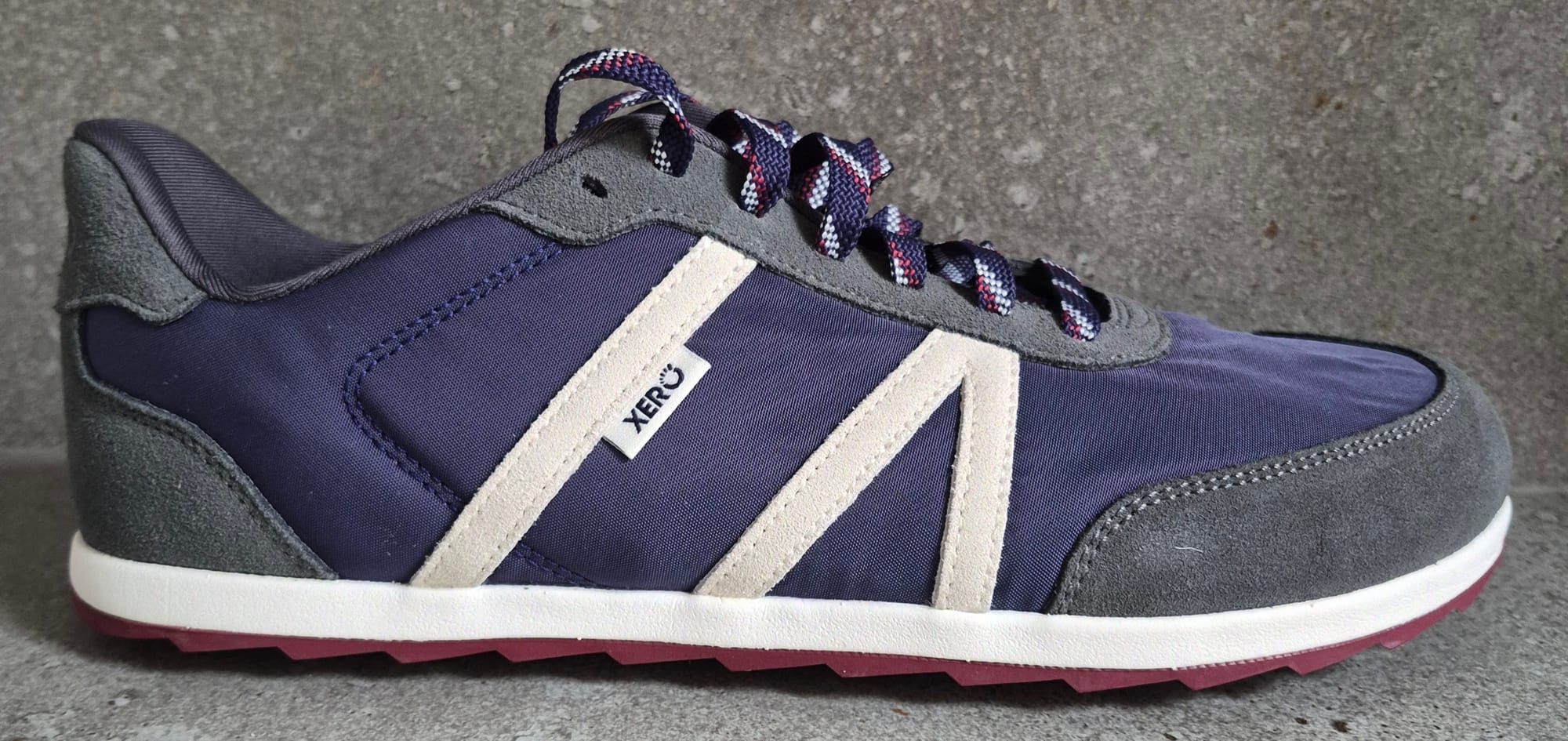
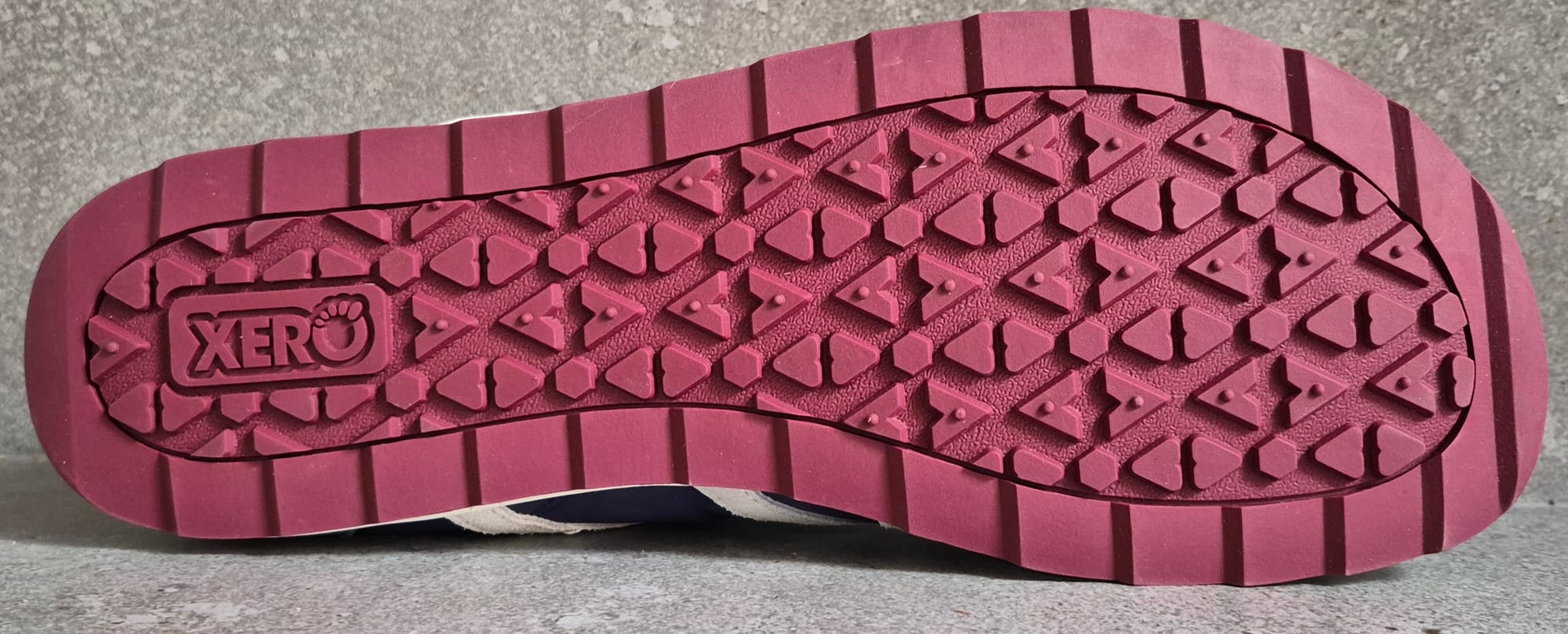
Next up is the Prio's more retro cousin, the Wynn. Whereas the Prio is both new looking and familiar feeling, the Wynn is a lifestyle and fashion sneaker. The Wynn breaks the rules of zero-drop "barefoot" shoes a little. These sneakers have a firm midsole above the hard rubber sole, much like the legendary New Balance 574. They even share some of the materials used (EVA midsole, rubber sole, polyester and nylon upper, polyester laces). I love these. For those new to Xero, think of the Wynn as the more fashionable, more protective cousin of the Prio. Both the Prio and Wynn are top sellers, but very distinct from each other. You will feel every detail in the road with the Prio, less so with the Wynn. But both are zero-drop sneakers, excellent for walks under 4 miles and very good for recovery days if you're a runner.
Next up, we have the hikers I got, the Mesa Trail II and the Scrambler Low WP (Waterproof). The are so similar to each other. They are water repellent, have trail-ready treads, and what look like some slick polymer and adhesive technologies. I wear these on trails and to music festivals, where grass, dust, and sometimes mud are the walking surfaces. These can be trail runners or used as approach hikers (or general hikers). And as the most expensive shoes in Xero's lineup, they show off some impressive industrial design for a small company. There are waterproof materials, layered almost seamlessly. While I don't think these shoes are held using water-based adhesives (as Brooks does), I'm still impressed that less than 10 years ago, Xero was just making running sandals. They are playing with the big brands now.
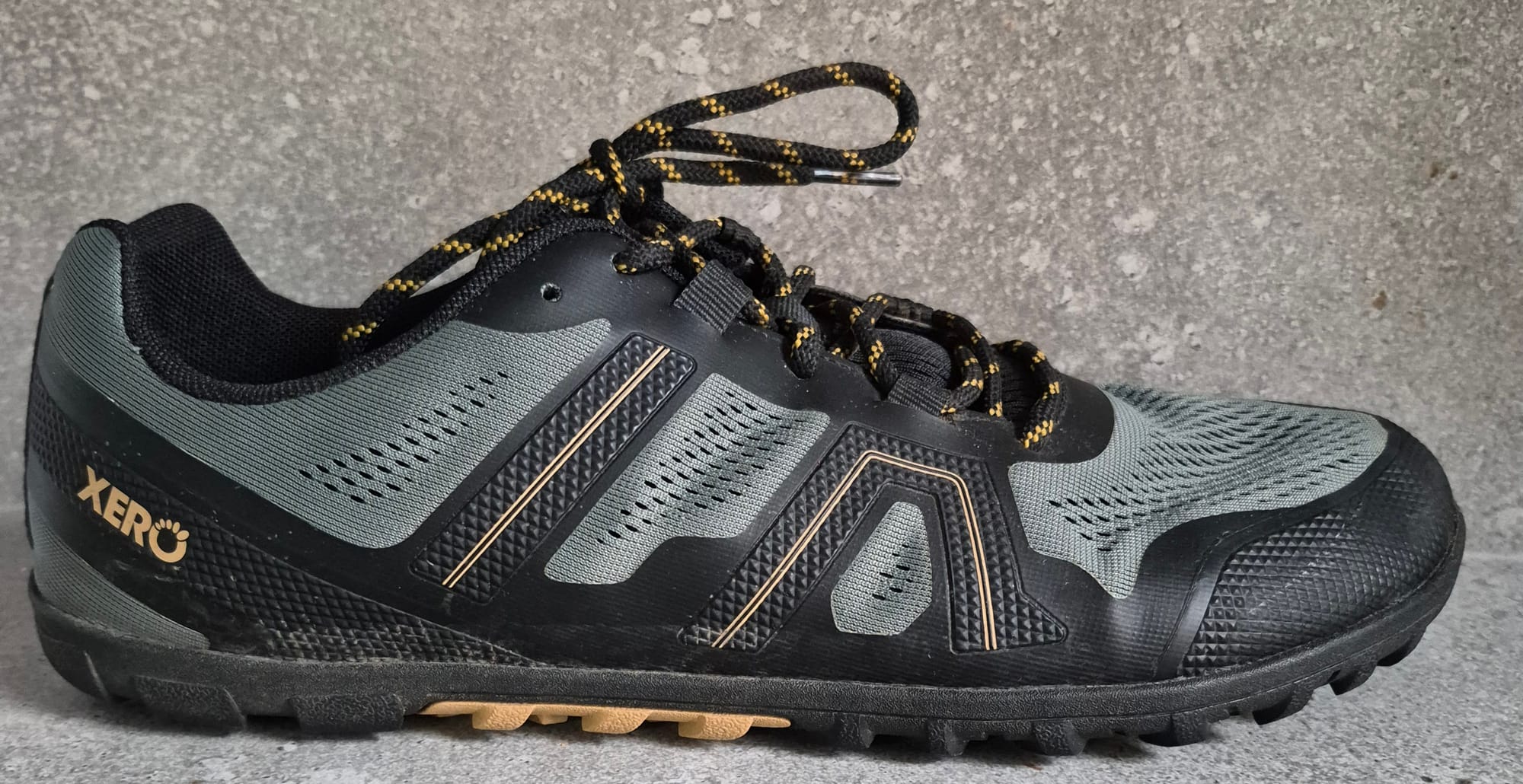
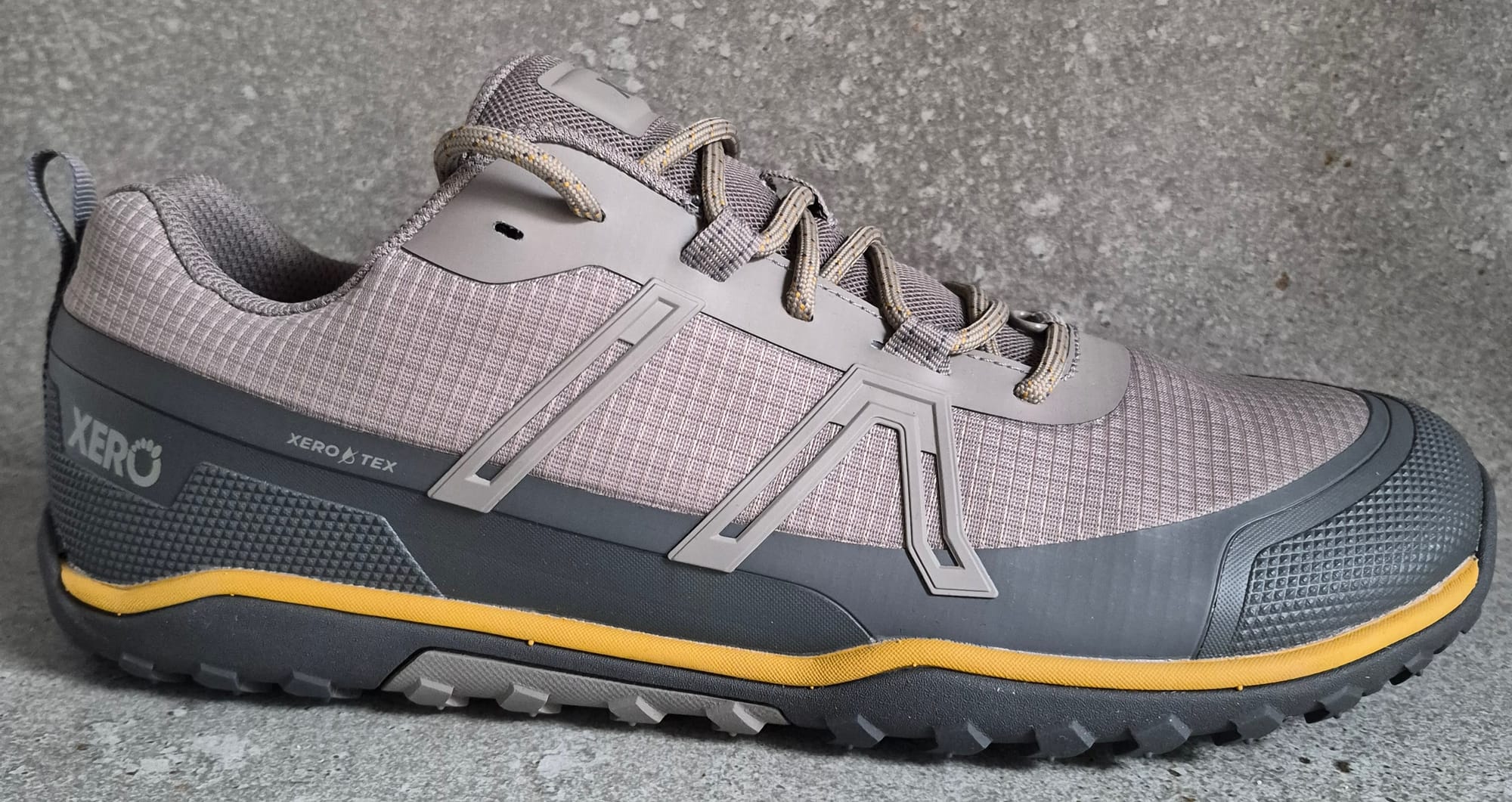
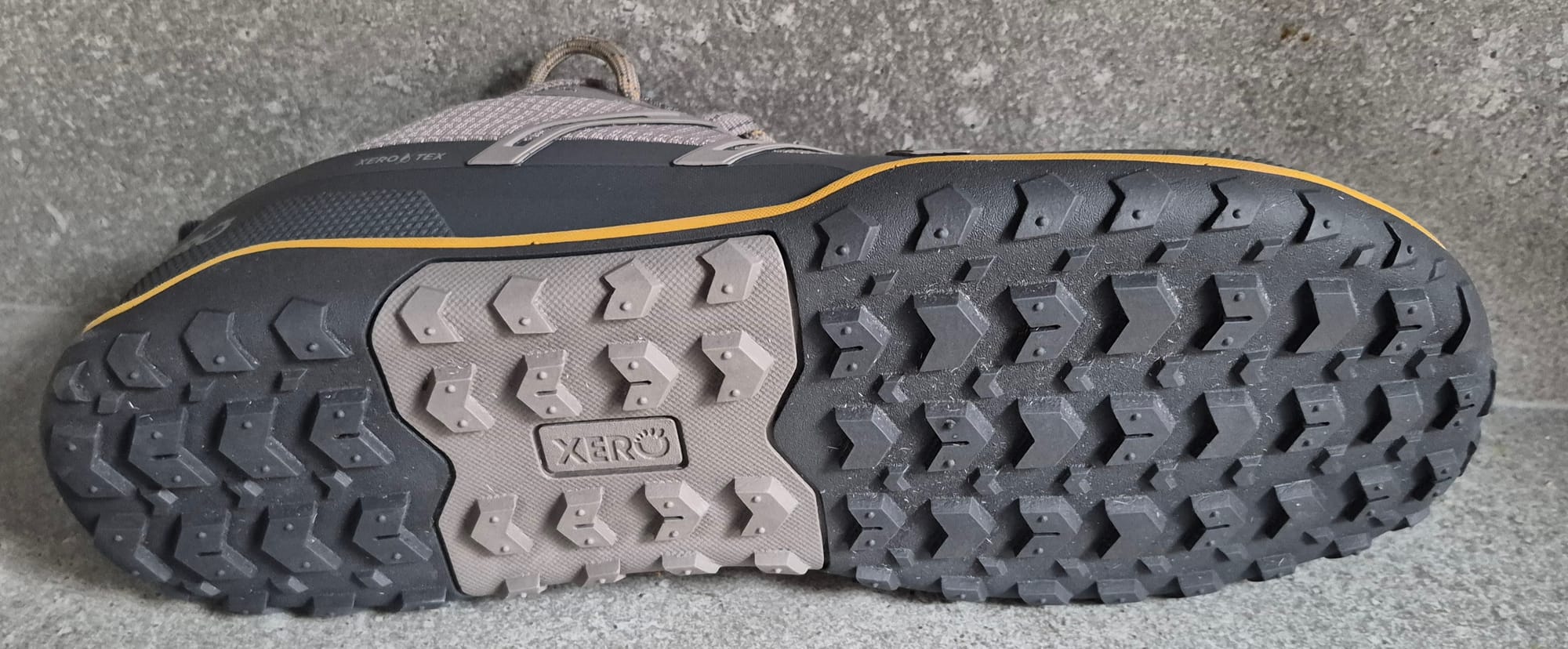
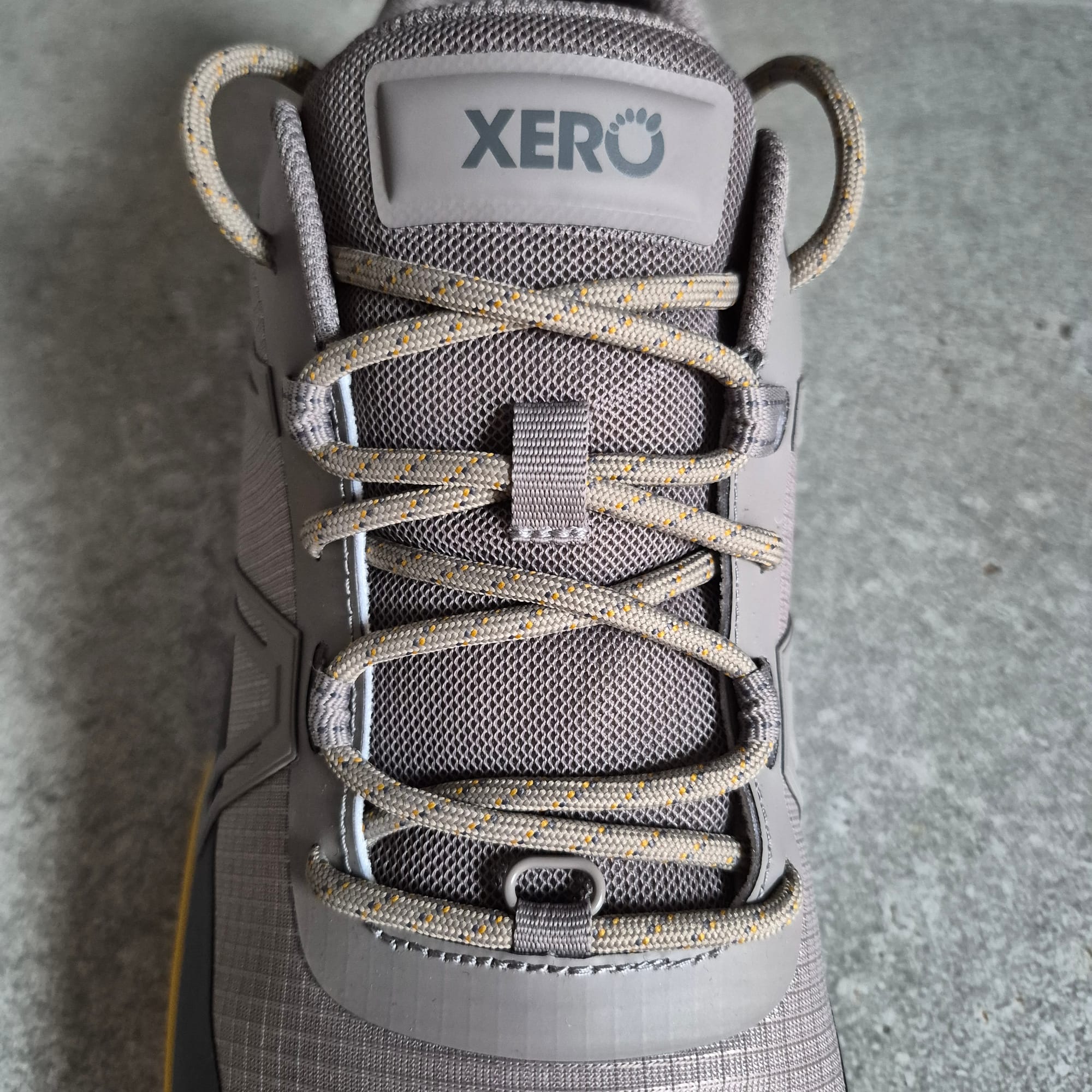
Next up, I tried their most minimalist running shoe, the Speed Force II. I have no genuine need for these, but I was curious what their most minimalist runner is like. It's essentially a hard rubber sole with a breathable plastic upper strapped to it. Only a running sandal would be more minimalist, I think. While low on comfort, these have amazing grip and are built for speed. These could be great sprint running shoes. I've worn these on short walks in my neighborhood on the hottest days in New York (90°F, 32°C).
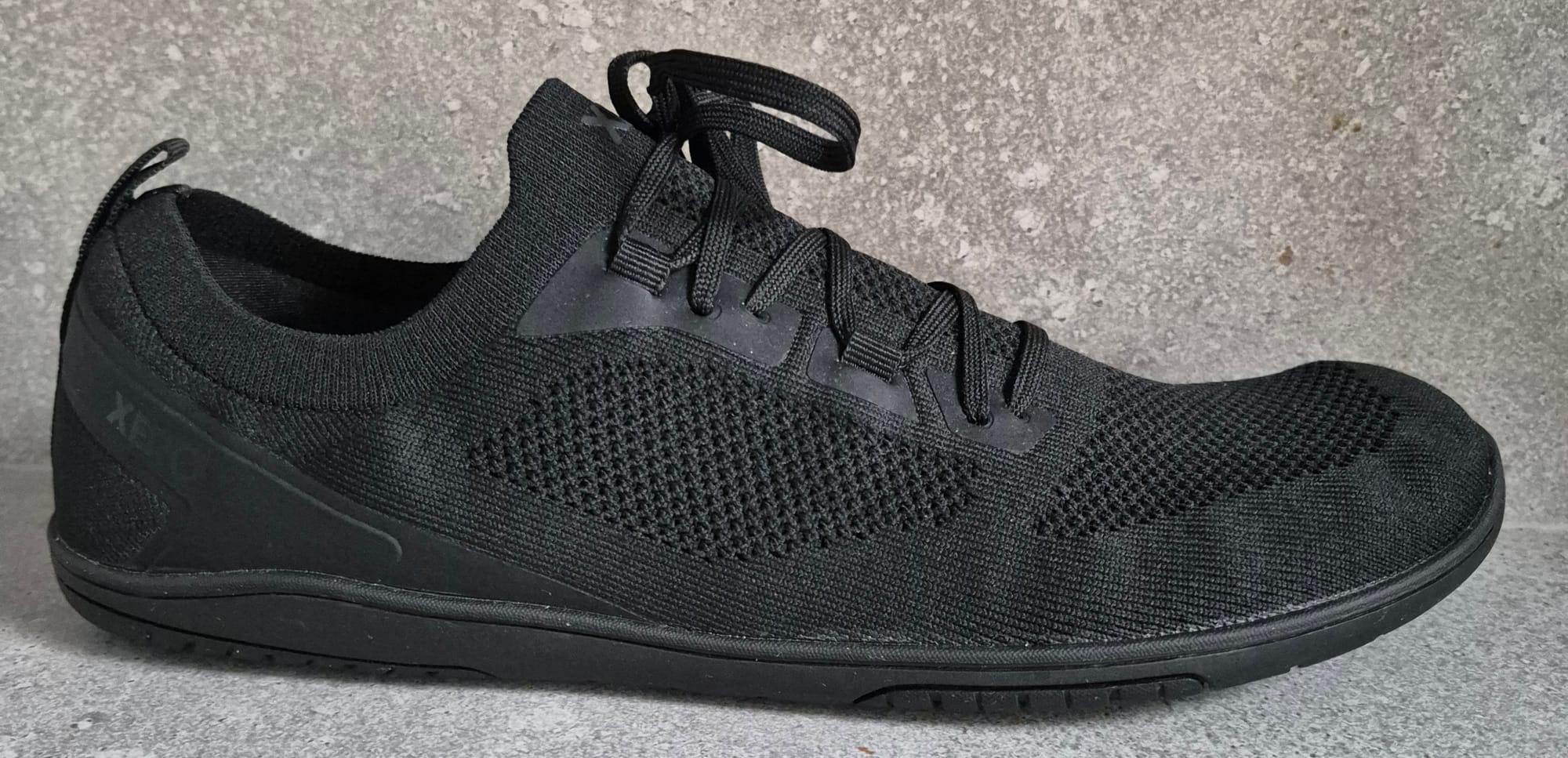
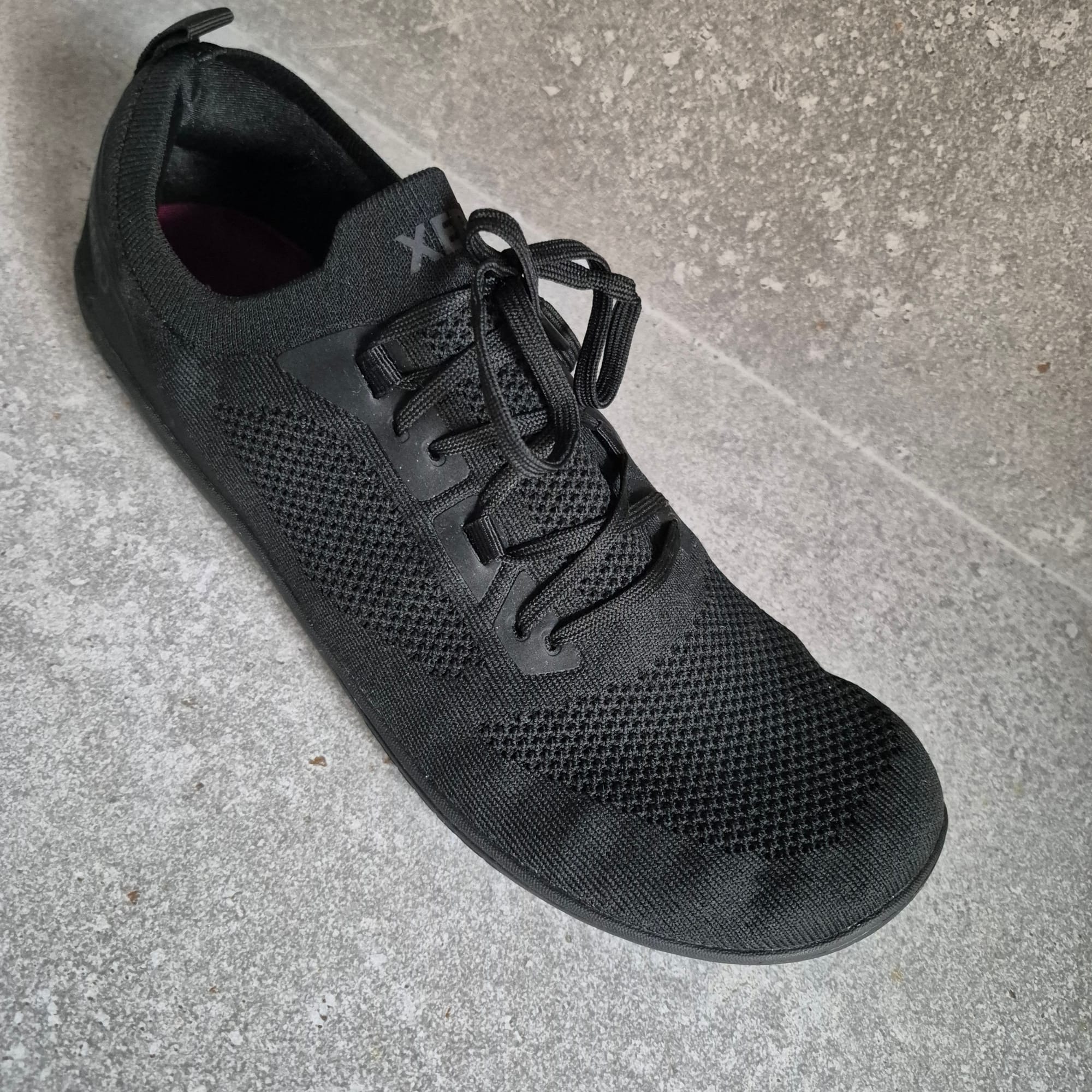
And finally we have what I think are their office shoes, the Nexus Knit. A shoe so low and so black, it is unlikely anyone will pay attention to them. If you work under what is now known as "smart casual," then these should be compliant. No colorful logo. No loud colors. Soft steps. Goes with any pant. With a very hard rubber sole, similar to the Speed Force II, these are not very comfortable. But in my mind, they replace Allbirds as an office sneaker (as do some black and gray Sketchers shoes).
So who are these shoes for? Xero's marketing has contradicted itself from time to time, being a small family-run business. The Prio is primarily for anyone who wants to give zero-drop shoes a try. I don't agree that Xero makes "barefoot" shoes. That's their sandal line and maybe the Speed Force II and Nexus Knit models. Their sneakers have varying levels of protection.
The Prio has minimal protection so users can find out right away if Xero is for them. I think the Prio is a lifestyle / fashion shoe. Xero also makes hikers and runners with a more focused design. But for everyday wearing, Xero offers the Prio and the retro-styled Wynn.
I can easily walk 1 to 4 miles in Xeros on New York streets. After 4 miles, the fatigue starts to weigh on your feet. I'm a long distance walker, so I have pairs of foam runners to handle walks longer than 4 miles (sometimes I go 20 or 30 miles!). But what I find remarkable about Xero shoes is that they have a not-so-secret use as a recovery shoe. Wearing these the day after an endurance walk (in far more comfortable foam runners) feels great. I'm re-connected to the sidewalk, I use different muscles to maintain balance, and my feet start to feel better. It's almost like a message to feel the cracks in the pavement and the curbstones again.
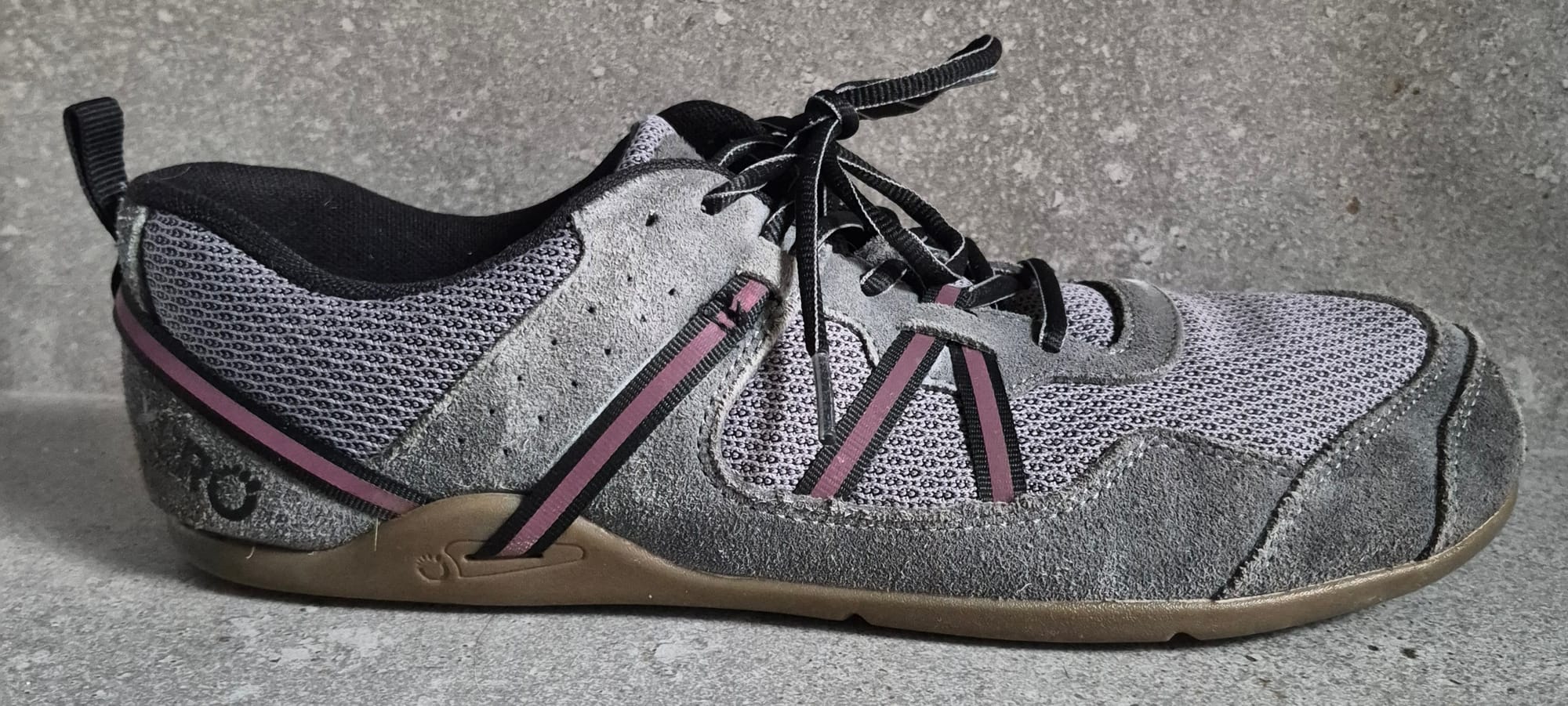
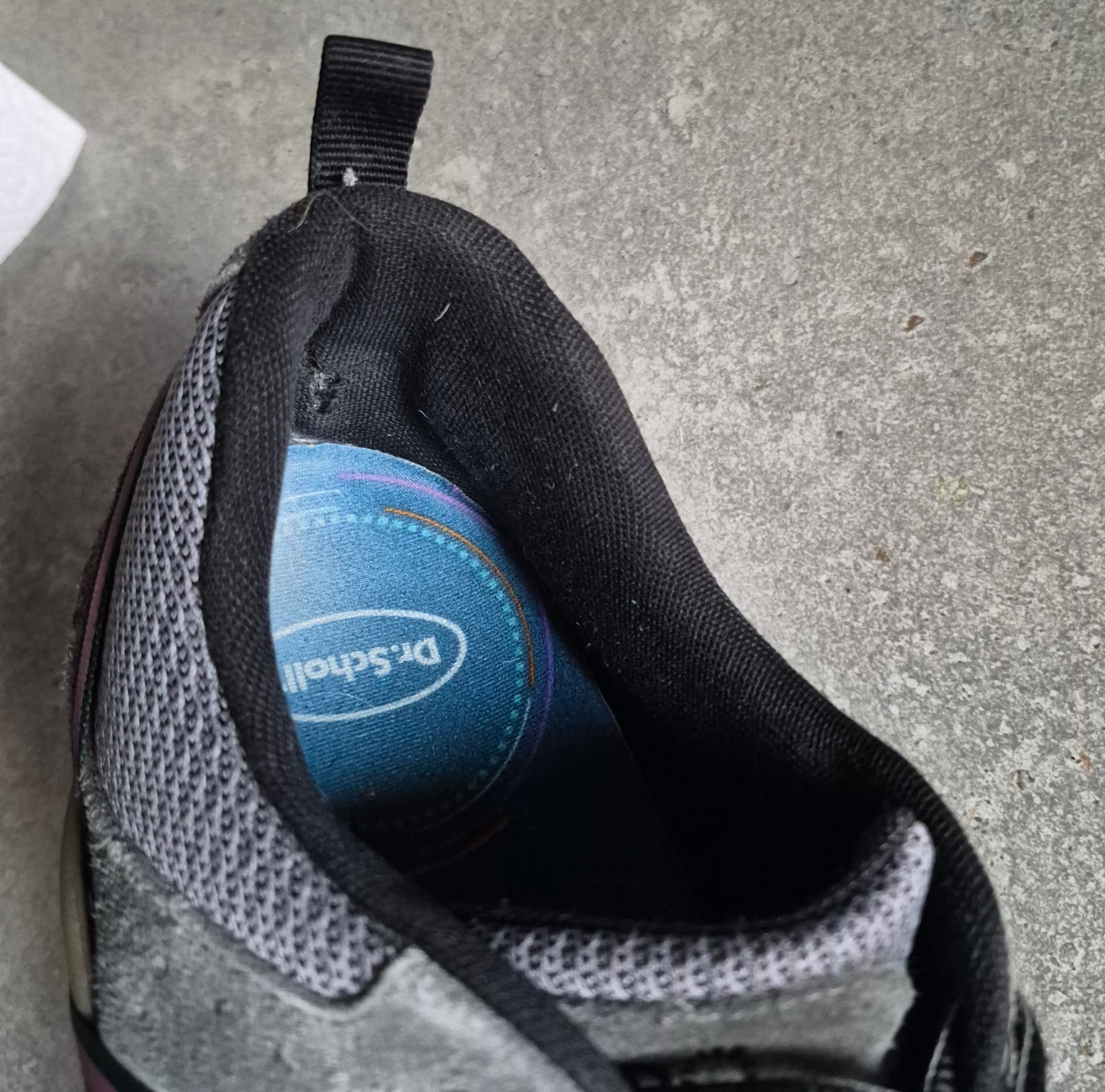
A note about durability, Xero's last and last thanks to their lineup of patented rubber soles. Whether soft or hard, these soles can outlast the rest of the shoe. Here's the first air of Xeros I got - the Prio Suede. I started wearing them in October 2023, and after hundreds of miles walked, they are retired. The upper material gave out and flattened. The soles could have kept going and going.
The Prio and Wynn are so great, I am giving up the sneakers that have defined my adult life, the New Balance 574, which is more popular now than when it was first introduced in 1988. To see a legendary urban sneaker dethroned by a company I hadn't heard of before 2023 is remarkable. Xero is the way forward for me.